Important Plumbing Services: How to Pick the Perfect Plumber for Your Home
Determining the optimal plumber for your home can be a tricky task. Homeowners must review various factors, including qualifications, experience, and pricing. Many ignore essential steps, which can lead to costly mistakes. Understanding common plumbing issues and knowing what to look for in a plumber is necessary. What are the key attributes that truly make a plumber trustworthy? Exploring these elements can greatly influence enduring satisfaction and satisfaction.
Prevalent Plumbing Difficulties to Watch Out For
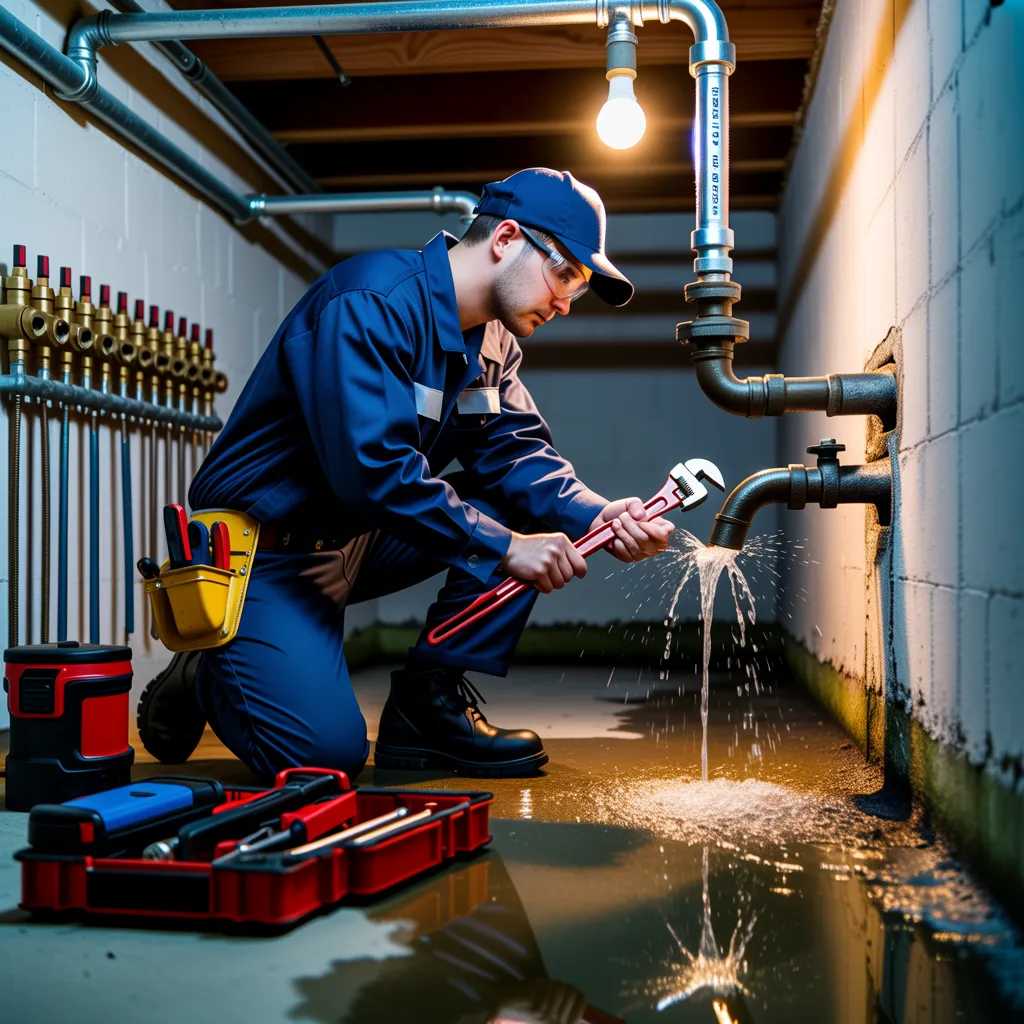
Many homeowners encounter a range of plumbing problems that can interrupt daily life. Typical issues include leaky faucets, which not only squander water but also result in higher utility bills. Clogged drains are another frequent issue, often caused by the buildup of grease, hair, or foreign objects. These clogs can result in slow drainage or even overflow. Additionally, running toilets squander significant amounts of water, often due to faulty flappers or fill valves. Pipe leaks can occur in both visible and hidden locations, potentially causing extensive water damage if left unaddressed. Water heater issues, such as inconsistent temperatures or leaks, can impact comfort and convenience. Finally, low water pressure may indicate a problem with the plumbing system, affecting the overall functionality of fixtures throughout the home. Awareness of these common plumbing issues can help homeowners take proactive steps to preserve their systems effectively.
Important Qualities to Evaluate in Your Plumber
What important credentials should property owners consider when employing a plumbing professional? First and foremost, proper certification is critical. A certified plumber more information has met local requirements and demonstrates a level of professionalism and expertise. Homeowners should also look for plumbers who carry adequate insurance, including general liability protection and worker's compensation, to protect against potential damages or injuries during the work.
Moreover, credentials from established industry bodies can demonstrate a plumber's devotion to ongoing education and compliance with industry requirements. Homeowners must prioritize those possessing advanced training in specific plumbing specializations, such as residential or commercial plumbing.
Furthermore, a comprehensive understanding of municipal codes and requirements is necessary to guarantee compliance during repairs or installations. Finally, strong interpersonal skills are essential, permitting the service professional to describe concerns and fixes proficiently, building rapport and mutual understanding between the homeowner and the service provider.
Analyzing a Plumber's Experience and Professional Image
When analyzing a plumber's qualifications and credibility, the duration in the field represents a key measure of reliability and expertise. Also, professional accreditations can emphasize a plumber's investment in professional standards and ongoing education. Taken together, these factors furnish valuable insight into the quality of service one can expect.
Duration of Operations
A plumbing professional's duration of service can greatly shape their credibility and expertise locally. Long-standing plumbing firms typically display a solid history that illustrates their proficiency in resolving multiple plumbing challenges with excellence. Years of industry experience usually signifies a dedication to superior workmanship, since these service providers have worked through problems and cultivated client relationships throughout their careers. Property owners ought to evaluate how long a plumber has been active, as this can offer understanding of their dependability and client happiness. Client feedback and reviews from former patrons can better clarify the plumber's position in the community. Ultimately, enlisting a veteran plumber can bring reassurance, making certain the project is performed skillfully and with expertise.
Industry Certifications Held
How can professional credentials enhance a plumber's reputation? Certifications act as documentation of a plumber's knowledge and skills, showing their adherence to professional standards and compliance with industry standards. Recognized organizations, such as the Plumbing-Heating-Cooling Contractors Association (PHCC) and the National Institute for Certification in Engineering Technologies (NICET), offer certifications that signify a plumber's proficiency in specific areas, including installation and repair techniques. These certifications frequently require ongoing education, ensuring plumbers stay abreast of the newest standards and technological advances. A plumber holding such certifications is likely to be reliable, instilling confidence in homeowners. Hence, when picking a plumber, confirming their certifications can provide important details into their expertise and standing in the industry.
The Benefits You Should Obtain Different Bids From Plumbers
Seeking multiple quotes from plumbers is crucial for making an well-informed choice, as it allows homeowners to evaluate pricing, services, and expertise. By collecting estimates from different plumbers, homeowners can determine the average cost for specific plumbing tasks, helping them avoid overpaying. Each plumber may offer different service packages, including warranties, follow-up services, or emergency support, which can significantly affect long-term satisfaction.
Also, collecting multiple quotes facilitates homeowners to assess the skill set and experience of each plumbing specialist. A variety of considerations can shed light on the standard of workmanship and client care, enabling a more thorough evaluation. Additionally, this process promotes competition among plumbers, frequently delivering better pricing or additional services. In conclusion, investing time to secure numerous quotes equips homeowners with the key information to pick a reliable plumber who meets their desires and financial allowance proficiently.
Key Inquiries to Pose When Hiring a Plumber?
When evaluating potential plumbers, understanding which inquiries to make can greatly influence the selection process. A property owner should begin by inquiring about the plumber's licensing and coverage, guaranteeing they meet local regulations and are protected against legal responsibilities. It's also important to ask about their experience with particular plumbing issues, such as repair work on pipes or installing fixtures, to assess their expertise.
Property owners should ask for references from previous customers to assess the plumber's dependability and workmanship. Additionally, inquiring regarding warranty options on repairs and new installations can provide reassurance regarding future issues. Comprehending the cost breakdown is vital; property owners should confirm whether the estimate includes labor, materials, and any extra charges. In conclusion, asking regarding response times for urgent situations can assist in establishing if the plumber will be available when needed most, ensuring a reliable partnership for future plumbing needs.
Usual Red Flags in Plumbing Services
When picking a plumber, various warning signs can point to likely issues with service quality. Vague pricing structures can cause unexpected expenses, while an absence of appropriate licensing creates concerns about professional standards and dependability. Recognizing these warning indicators is vital for making an knowledgeable hiring decision.
Ambiguous Pricing Frameworks
How are homeowners approach the challenging aspects of plumbing pricing schemes? Obscure pricing structures pose a significant red flag when selecting a plumber. Many service providers fail to offer transparent estimates, bringing about unexpected costs and displeasure. Clients should be wary of vague quotes that are missing explicit details of labor, materials, and other charges. A reliable plumber will provide a precise, itemized quote before beginning work, ensuring that homeowners understand what they are paying for. Additionally, hidden charges often come up during or after the service, reinforcing the importance of agreeing on payment terms upfront. By prioritizing transparency and clarity in pricing, homeowners can avoid unpleasant surprises and cultivate a more trustworthy relationship with their hired plumbing professional.
No Licensing
An lack of appropriate licensing can raise substantial concerns for homeowners seeking plumbing services. Licensed plumbers are typically obligated to meet specific training and regulatory standards, ensuring they possess the necessary skills and knowledge. When a plumber cannot offer proof of licensing, it may suggest inadequate training or a disregard for industry regulations. This lack of compliance can lead to substandard work, causing costly repairs or safety hazards. Homeowners should be cautious of any plumbing service that does not readily offer licensing information. Confirming a plumber's credentials through local licensing boards can help avoid potential pitfalls. Ultimately, choosing a licensed professional enhances the likelihood of quality workmanship and peace of mind for homeowners.
Fostering a Great Relationship With Your Plumber
Fostering a solid connection with a plumber can greatly improve the quality of service obtained. Open communication is critical; property owners should convey their concerns clearly and ask inquiries when necessary. This creates an atmosphere of trust, enabling the plumber to grasp the specific needs of the property.
Additionally, demonstrating respect and professionalism toward the plumber can lead to better service outcomes. Simple gestures, like offering refreshments during long jobs, can foster positive relations. Homeowners must also be conscious of appointment timing and allow entry to project spaces, which can promote smoother operations.
Additionally, regular upkeep contracts can deepen the rapport, confirming the plumber is aware of the home's plumbing system. Ultimately, offering feedback, whether encouraging or helpful, helps plumbers strengthen their services and establishes a teamwork-based partnership. Maintaining open lines of communication ultimately benefits both parties, yielding consistent, premium plumbing services.
Often Submitted Questions
What Signs Indicate My Plumbing Issue Is an Emergency?
A plumbing problem is considered an emergency if it includes uncontrollable leaks, sewage backups, or significant water damage. Prompt action is required to avoid additional issues and ensure safety and functionality within the home.
Which Preparations Should I Do Before the Plumber Shows up?
Before the plumber arrives, the property owner should remove obstacles around the plumbing issue, collect details about the problem, and shut off the water supply if necessary to avoid additional damage and enable repairs.
Do Plumbing Warranties Count?
Plumbing warranties or guarantees hold value as they extend confidence about exceptional service quality and material excellence. They shield homeowners from unforeseen costs, guaranteeing that repairs or replacements are secured if issues arise after the service ends.
Should I tackle basic Plumbing work on My Own?
Yes, minor plumbing repairs can often be managed by residents. Elementary jobs like repairing drips or clearing blockages need simple tools and a little guidance. However, caution is recommended to avoid causing further harm.
How Often Do I Need to Schedule Plumbing Maintenance?
Plumbing preservation should recommendably be booked annually. Regular inspections can identify emerging issues early, ensuring mechanisms run efficiently and cutting the threat of pricey repairs. Homeowners benefit from anticipatory preservation to extend the lifespan of plumbing systems.